# Professional Displays

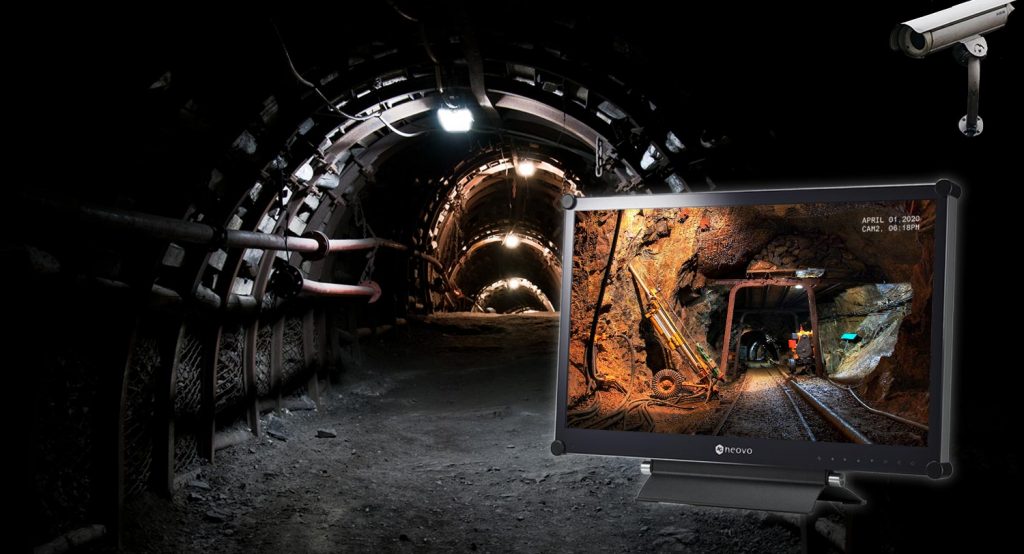
AG Neovo QX series built for evening and dark night operations

AG Neovo Launches Next-Generation QX Series 4K Displays with Multiple Inputs

[Netherlands, January 21, 2026] – AG Neovo, a leading provider of professional and mission-critical display solutions, today announced the launch…

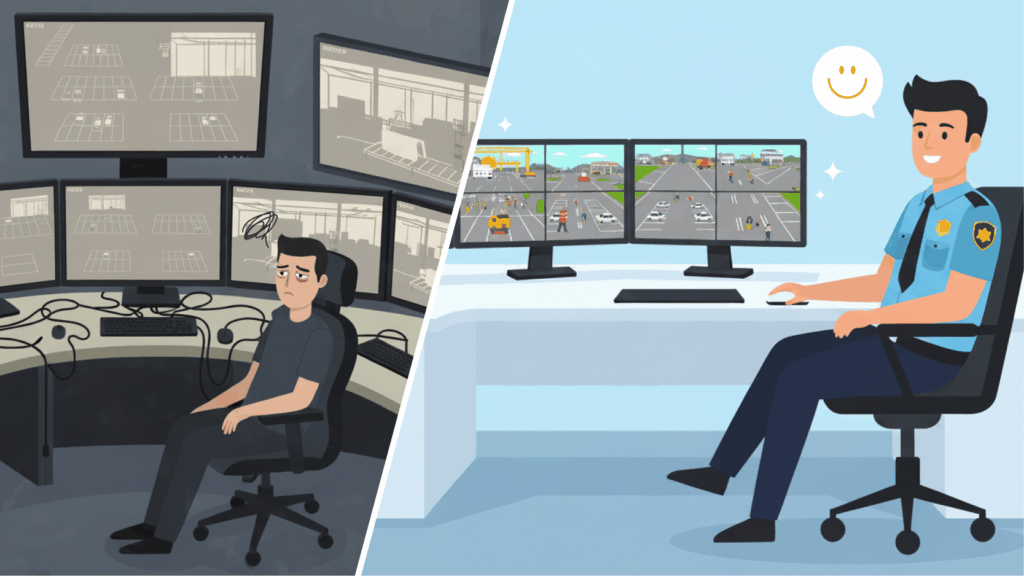
Before and after comparison of a security control room. Left shows an exhausted operator overwhelmed by a messy multi-monitor setup and cable clutter. Right shows a smiling operator efficiently managing multiple video sources using two neat professional multi-input displays.

Multi-Input Monitors vs. Video Switchers: Simplifying Control Room Display Architecture

Managing multiple video sources with external HDMI switchers increases system complexity and introduces single points of failure. Explore why system integrators and IT managers are upgrading to professional multi-input displays to streamline system architecture, reduce maintenance efforts, and ensure reliable 24/7 continuous monitoring without external processors.

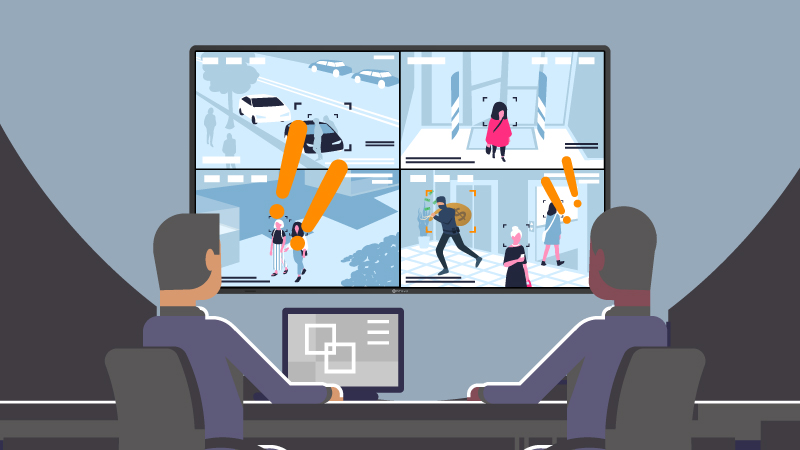
Illustration of security operators using a professional PBP display in a quad-view layout to monitor multiple video sources simultaneously without switching screens.

PBP Displays for Professional Use: Managing Multiple Video Sources Without Switching Screens

PBP monitors display multiple input sources on one screen, making them ideal for control rooms, surveillance systems, and professional monitoring environments that require stable multi-source monitoring.

How to Choose the Right SDI Monitor

How to Choose the Right SDI Display for Surveillance Systems

A professional guide to choosing and specifying SDI displays for surveillance systems, focusing on deployment environments, system integration, durability, and industrial applications.

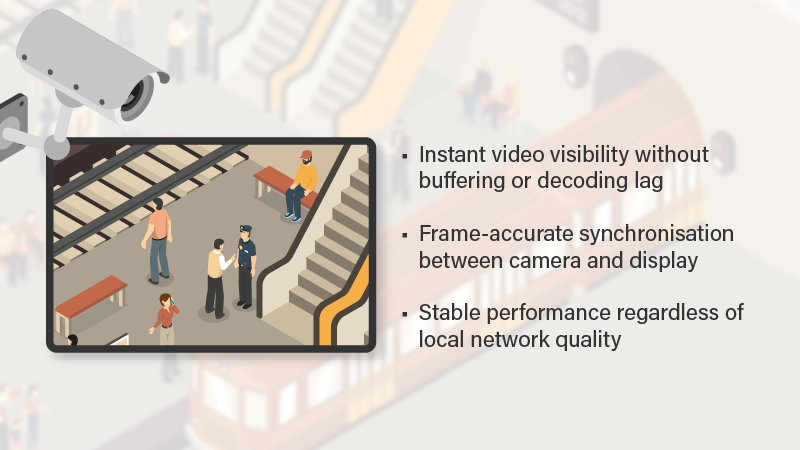
01 Real Time Visibility Without Delay

Why Low Latency Matters in Real-Time Surveillance Monitoring

In surveillance systems, latency is not just a technical detail—it directly impacts how quickly operators can respond to real-world events. This article explains what latency is, where it comes from, and why low-latency video transmission remains essential for real-time monitoring. It also explores how SDI technology enables stable, near-zero latency performance in professional surveillance environments.

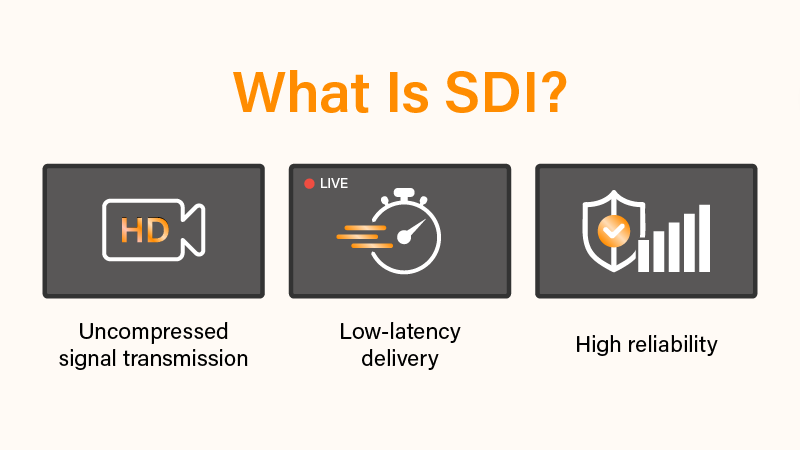
Infographic explaining What Is SDI, highlighting three core benefits for professional surveillance: uncompressed signal transmission, low-latency delivery for live video, and high reliability in mission-critical environments.

What Is SDI? How Broadcast Technology Became the Standard for Professional Real-Time Monitoring

If your surveillance system depends on real-time monitoring, understanding SDI is essential. This guide explains what SDI is, how it delivers low-latency video without relying on networks, and why it’s still widely used in environments where timing, stability, and immediate response matter most.


How System Integrators Can Ensure Real-Time Video Surveillance at Remote Sites

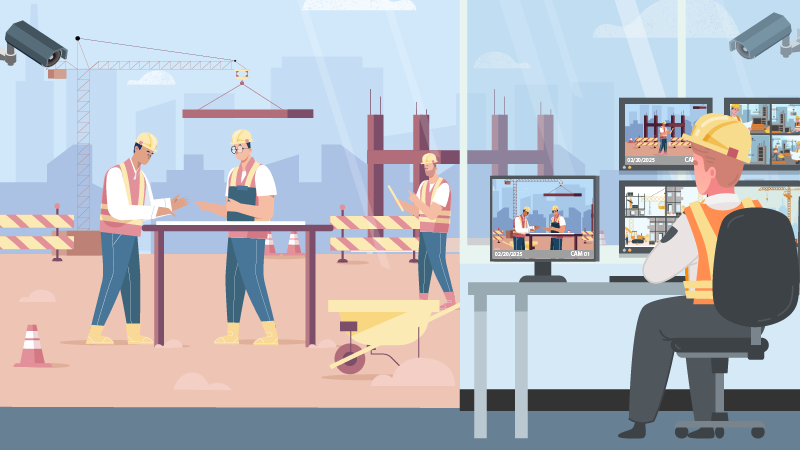
How System Integrators Ensure Stable and Continuous Surveillance in Location-Critical Environments

System integrators face unique challenges when deploying video surveillance in remote sites. This guide outlines how to select the right monitors for real-time visibility and seamless integration.

How Reliable AG Neovo Security Displays Enhance Business Decision-Making in Critical Locations

How Reliable Security Displays Enhance Business Decision-Making in Critical Locations

Discover how AG Neovo's reliable security displays enhance real-time video surveillance, improving decision-making and response times in critical locations. Built for harsh environments, these displays offer seamless coordination between on-site and remote teams, ensuring robust security operations.

AG Neovo Security Monitors are with NDAA compliance

Secure Video Surveillance Deployments with NDAA-Compliant Displays

Discover why NDAA compliance is essential for secure video surveillance deployments. Learn how NDAA-compliant displays help organizations mitigate risks, protect sensitive data, and ensure long-term operational security in government, defense, and high-security environments.


No relevant articles were found

Back