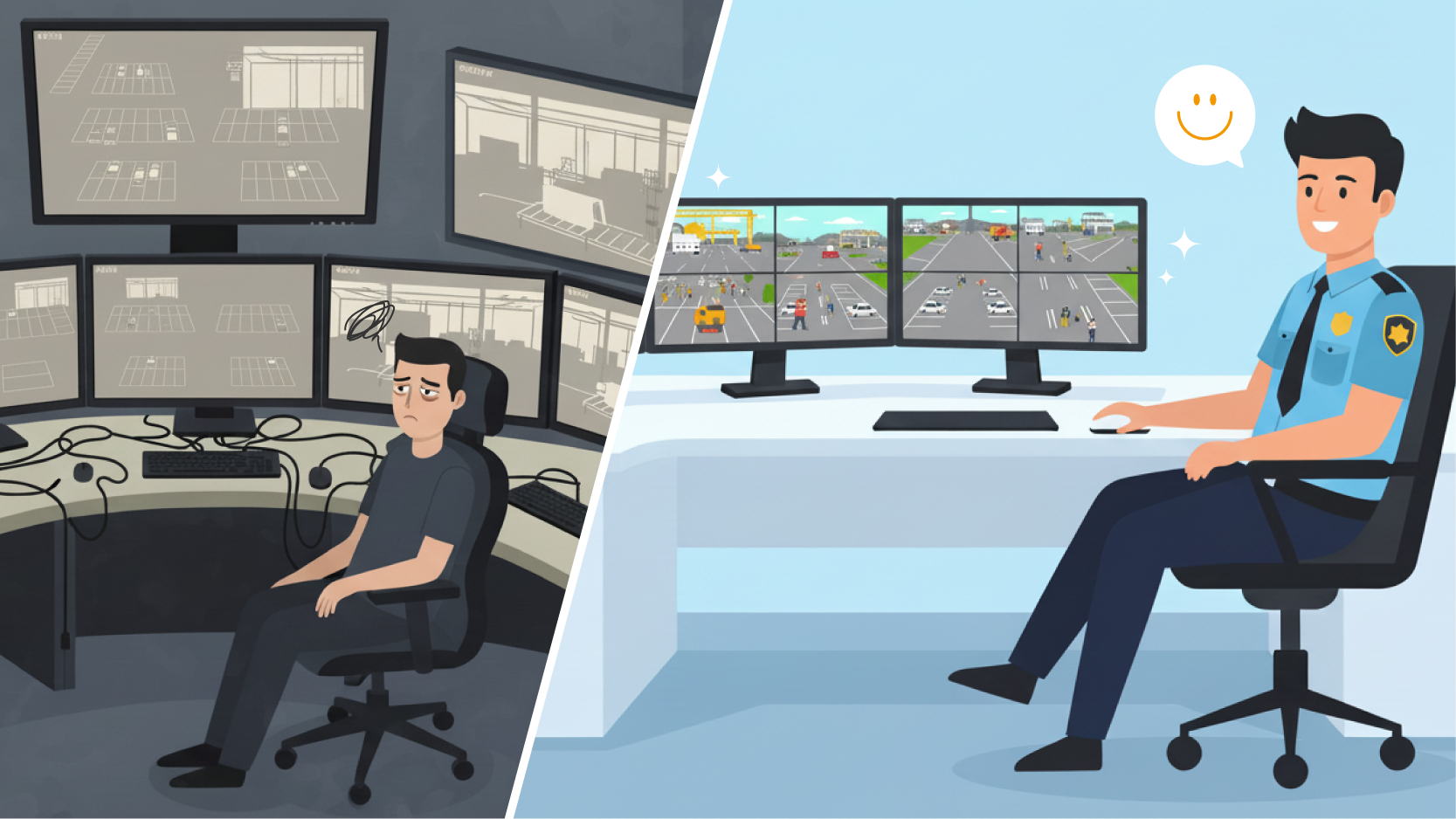
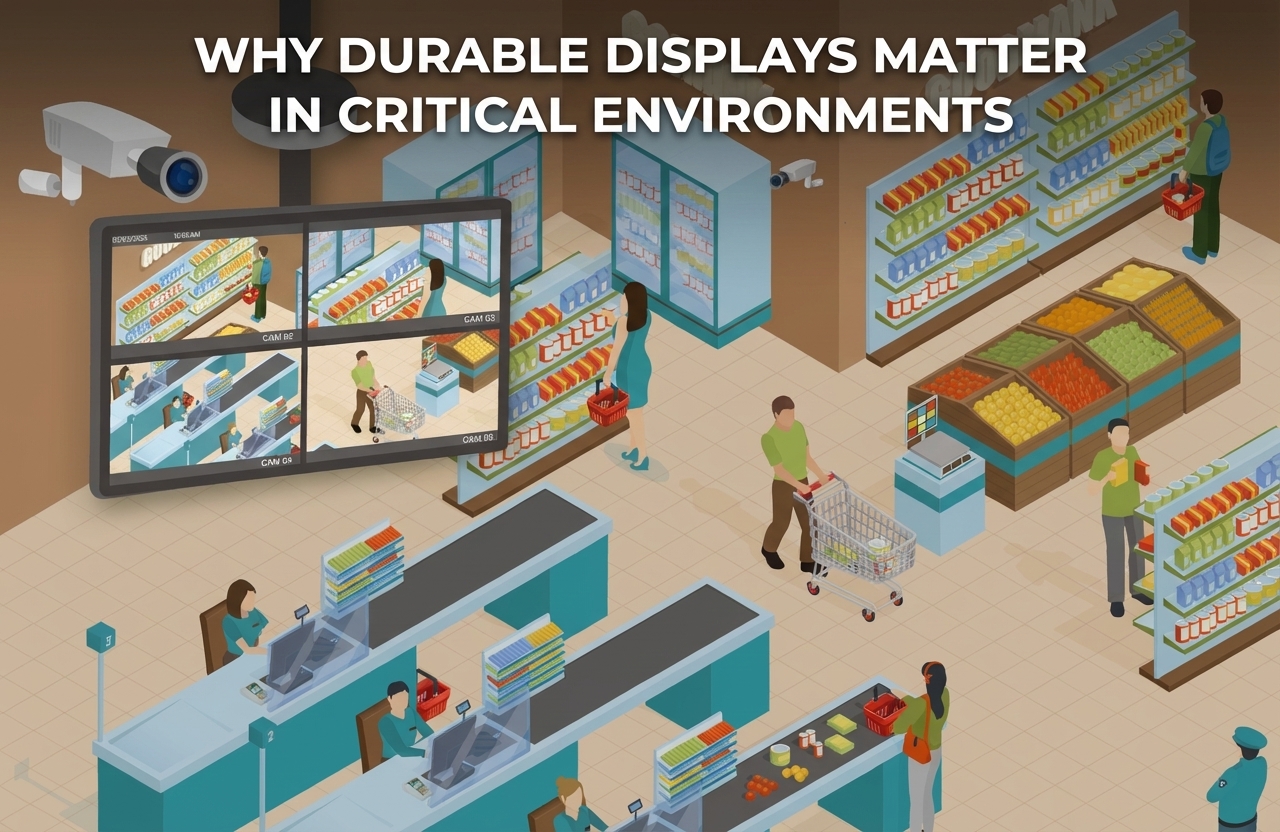
In critical environments, display reliability is not simply a technical specification—it is a fundamental requirement for maintaining operational continuity. Across corporate office buildings, industrial facilities, logistics centres, and transportation infrastructure, on-site displays act as the final point of visibility where critical information is interpreted and immediate decisions are made.
When these displays fail, visibility is lost exactly at the point of action—leading to delayed responses, operational misjudgements, and severe workflow disruption. While organisations continue to invest heavily in advanced cameras, backend networks, and software monitoring systems, the physical reliability of the display itself is often entirely overlooked. This article explores why professional durable displays are essential in real-world environments and how they support stable, uninterrupted operations across diverse industries.
In many modern operational settings, visual information must be accessible exactly where actions take place. The era of relying solely on isolated, centralised control rooms has passed; frontline personnel now require immediate data access to maintain situational awareness.
From reception desks managing access control in corporate office buildings to production floors in manufacturing plants, and from fast-paced loading docks in distribution centres to high-traffic checkpoints in transportation systems, on-site displays allow teams to monitor live situations, verify conditions, and respond efficiently to emerging challenges.
However, these physical environments are fundamentally different from controlled, climate-regulated office spaces. Typical on-site conditions include:
Displays deployed in these demanding environments must operate consistently despite conditions that far exceed standard office usage.
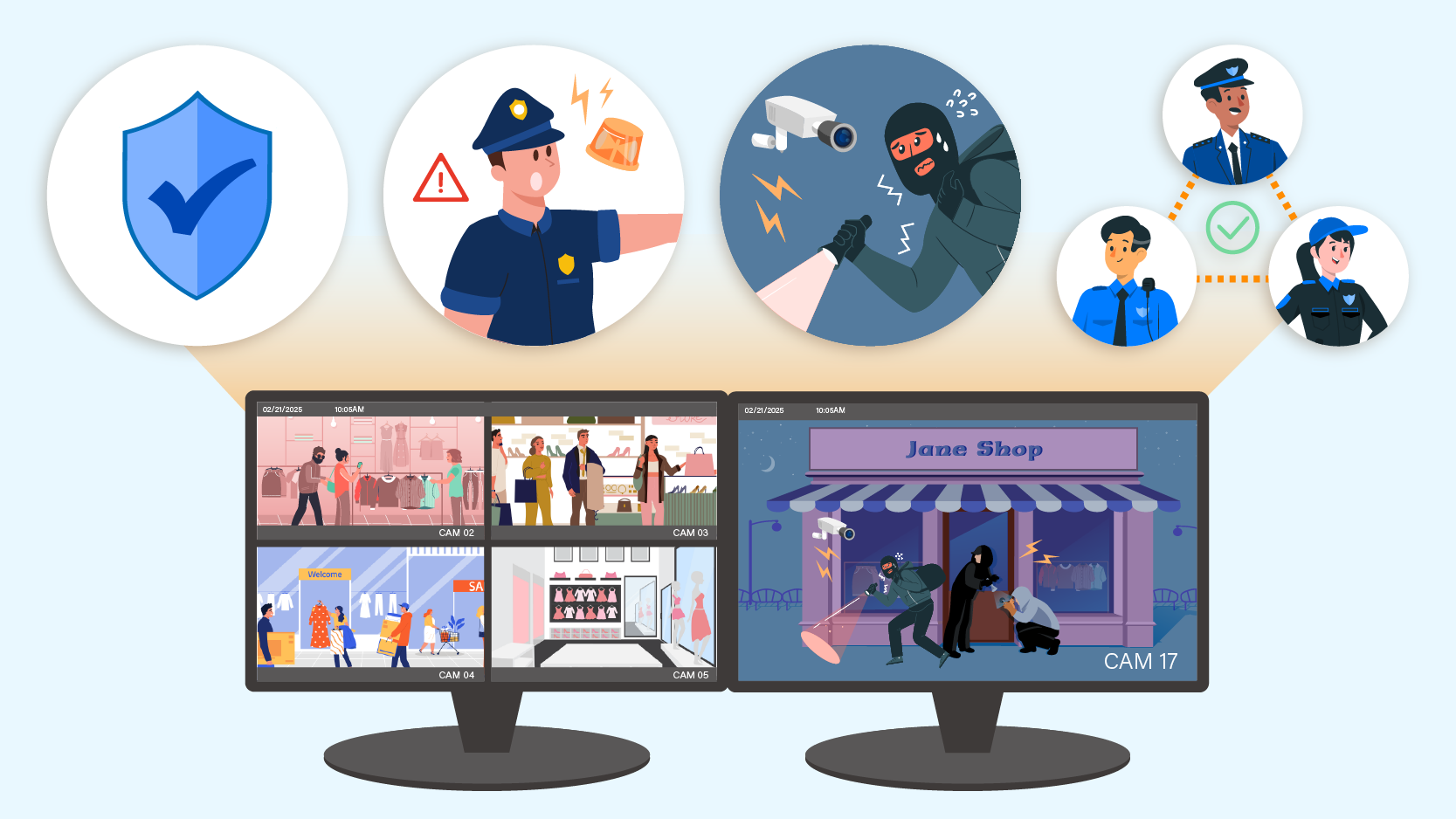
Many organisations initially deploy standard office monitors because they are readily available and feature a lower initial purchase price. While perfectly suitable for intermittent, desk-based tasks such as word processing, these displays are structurally not designed for continuous operation in demanding environments.
Common limitations that disrupt operations include:
Standard monitors are typically designed for intermittent use (approximately 6 to 8 hours a day). When they are forced to operate continuously, the thermal stress on their internal components causes performance to degrade over time. This leads to backlight flickering, image instability, and ultimately, unexpected hardware failure. A sudden “black screen” in a critical location completely paralyses local decision-making.
Office-grade displays are simply not built to withstand exposure to dust, humidity, or temperature variation. They rely on plastic housings that trap heat and feature open ventilation slots that invite airborne particles. Over time, these conditions compromise the internal circuitry and permanently degrade display quality, making critical data difficult for operators to read.
Without reinforced structural protection, standard displays are highly susceptible to real-world hazards:
Because they are not designed for demanding environments, standard monitors experience a much higher failure rate. This requires more frequent replacement, technician call-outs, and servicing. Consequently, what appears to be a budget-friendly purchase initially transforms into an inflated long-term operational cost.
In critical environments, these limitations culminate in the loss of visibility at key operational points—directly affecting workflow efficiency, team coordination, and overall site safety.
Durable displays are engineered specifically to address the electronic and physical challenges of real-world environments. Rather than focusing only on peak visual specifications under ideal, climate-controlled conditions, they are built to provide unwavering, consistent operation under continuous use and environmental stress.
Their primary role is to ensure that on-site visibility remains stable and uninterrupted, acting as a reliable visual anchor for the workforce. This operational stability enables:

By maintaining consistent performance, durable displays support smoother operational cadences and instil greater confidence in on-site teams, allowing them to focus on their workflows rather than troubleshooting failing equipment.
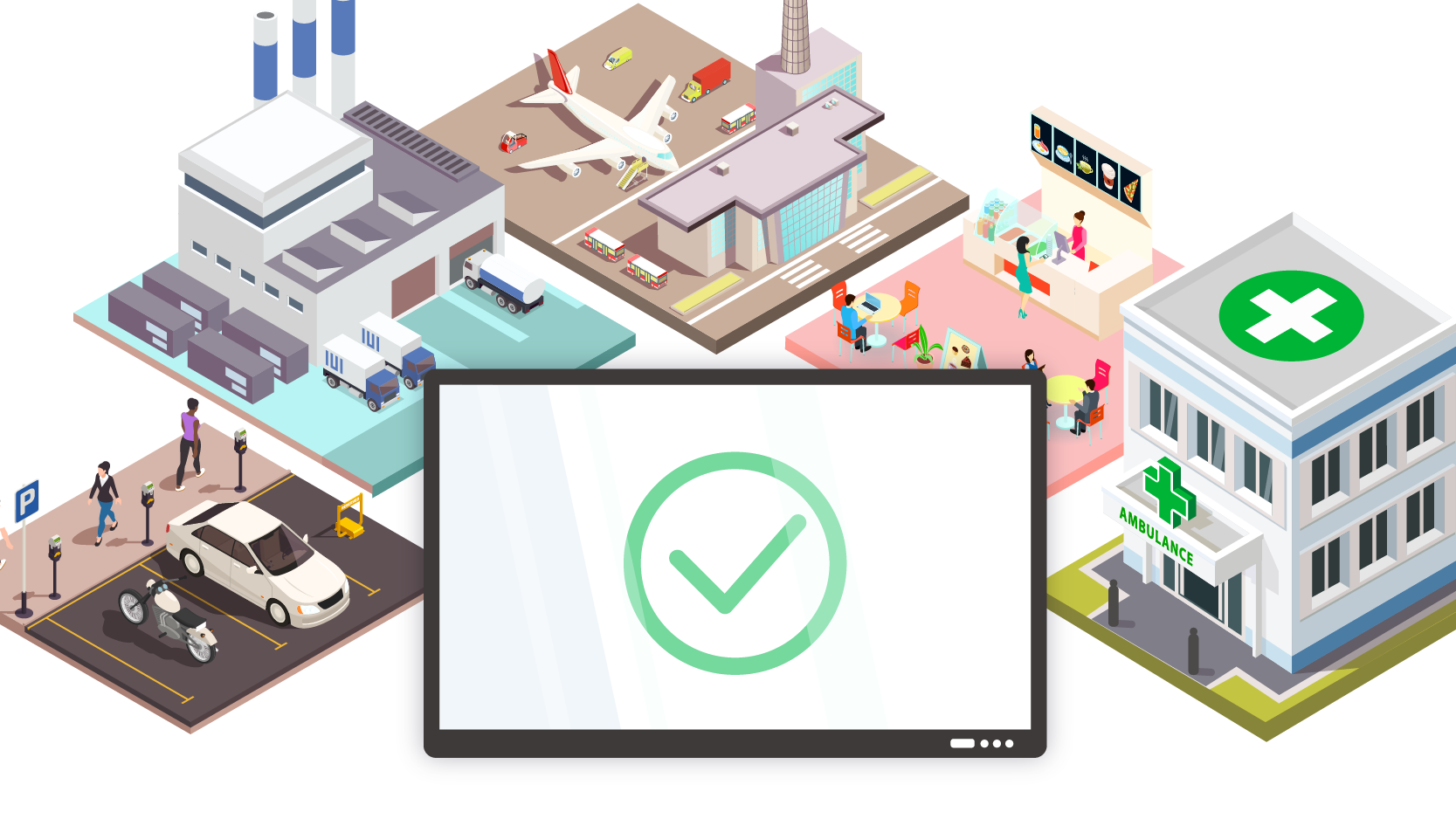
The value of durable displays is not limited to a single application or sector. Their strategic importance extends across multiple industries where real-time operational visibility is critical to success.
In large-scale corporate office buildings, displays are heavily integrated at entrances, reception areas, and facility management points. They support critical functions such as access verification, visitor monitoring, and seamless coordination with internal building management systems. Reliable displays ensure that security and lobby staff can maintain complete situational awareness without interruption. In high-traffic environments, a failed display can lead to unauthorised access or massive delays during peak entry hours.
Modern manufacturing environments are inherently challenging, involving airborne dust, heavy vibration, and relentless continuous operation. Displays are utilised directly on the factory floor to monitor automated production areas, oversee restricted hazardous zones, and support strict safety compliance protocols. Durable displays ensure that this vital monitoring remains consistent and accurate, preventing production halts and ensuring that operators can respond instantly to system alerts even under the most challenging physical conditions.
Warehouses and global logistics hubs require continuous, uncompromised visibility across expansive loading zones, automated storage areas, and operational checkpoints. Displays in these environments must operate flawlessly across rotating shifts while withstanding the environmental exposure of open loading docks. Durable displays provide the stable, high-contrast visuals required for operators to make fast, accurate decisions regarding inventory routing and fleet dispatching.
Airports, train stations, and municipal transit systems rely heavily on visual systems to manage complex operations, communicate with the public, and coordinate security personnel. Displays in these environments must handle extraordinarily high usage cycles, frequent public interaction, and demanding maintenance routines. Durable displays maintain consistent performance, ensuring that flight information, scheduling, and safety protocols are always legible, thereby maintaining public order and operational flow.
To operate reliably in these critical environments, professional durable displays incorporate specific engineering and design elements that support long-term, high-stress use.

When designing monitoring and operational systems, organisations frequently underestimate the importance of display reliability, treating the screen as an afterthought.
Common procurement mistakes include:
These decisions inevitably result in a significantly higher total cost of ownership (TCO) due to increased operational downtime, frequent hardware replacement, and disrupted workflows.
| Feature | Standard Office Monitors | Professional Durable Displays |
| Designed Usage | Intermittent (Desk-based work) | Continuous 24/7 Operation |
| Environmental Tolerance | Low (Sensitive to dust/heat) | High (Built for real-world stress) |
| Physical Durability | Vulnerable to impact and wear | Reinforced protection against damage |
| Maintenance Cycle | High replacement frequency | Long-term reliability, minimal servicing |
| Total Cost of Ownership | Higher due to operational disruption | Lower over the extended lifecycle |
For system integrators and operational teams, display selection is never an isolated hardware purchase; it is part of a broader, long-term infrastructure strategy.
When specifying hardware, professionals rigorously consider:
To explore exactly how professionals evaluate these critical factors and specify hardware for demanding projects: Read: How System Integrators Choose Durable Displays for Critical Environments
In critical environments, reliable visibility is absolutely essential to maintaining operational stability.
While significant investment is routinely made in advanced cameras, secure networks, and analytical software, the display remains the absolute final point where information is delivered and human decisions are made. If that visual endpoint fails, the entire system loses its value.
Durable displays ensure that this final layer remains stable, resilient, and consistently available—even under the most demanding real-world conditions. For organisations operating across office buildings, industrial sites, logistics centres, and transportation infrastructure, investing in durable display solutions is essential to ensuring long-term operational continuity, uncompromised safety, and peak performance. Choose AG Neovo, the display choice of professionals.
Even in climate-controlled environments, standard monitors are not designed to operate 24/7. Continuous use will lead to internal thermal stress and performance degradation over time, reducing their lifespan and operational reliability.
Durable displays are engineered with commercial-grade components designed to withstand environmental stress and continuous operation. This significantly lowers the failure rate, reducing the need for emergency technician visits and frequent hardware replacements.
In critical environments such as logistics hubs or public transit stations, displays are exposed to accidental bumps from equipment, luggage, or rigorous cleaning protocols. Reinforced physical protection ensures the screen is not shattered or chemically degraded by these daily hazards.
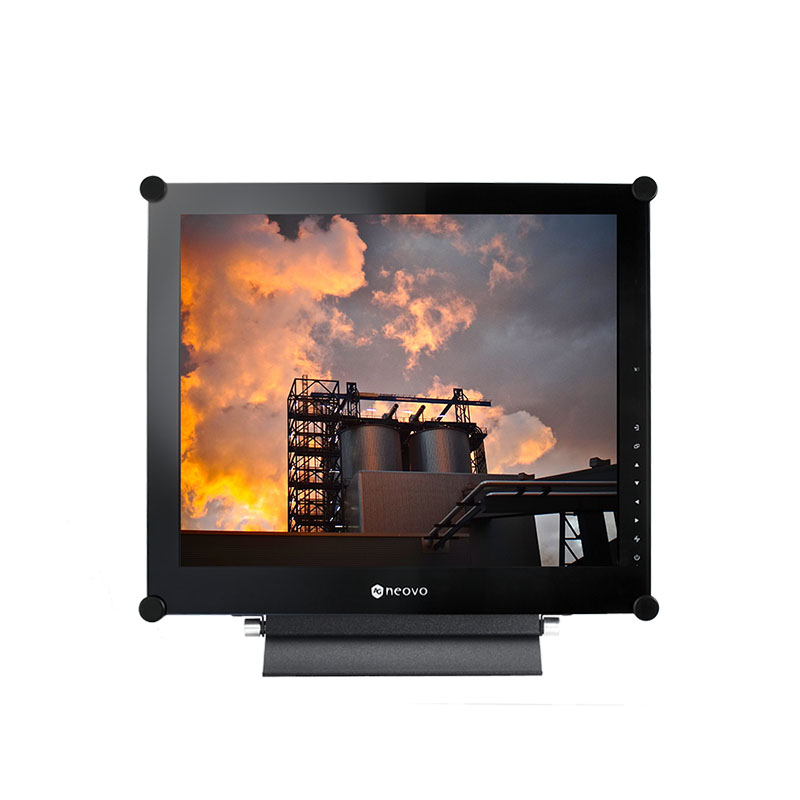
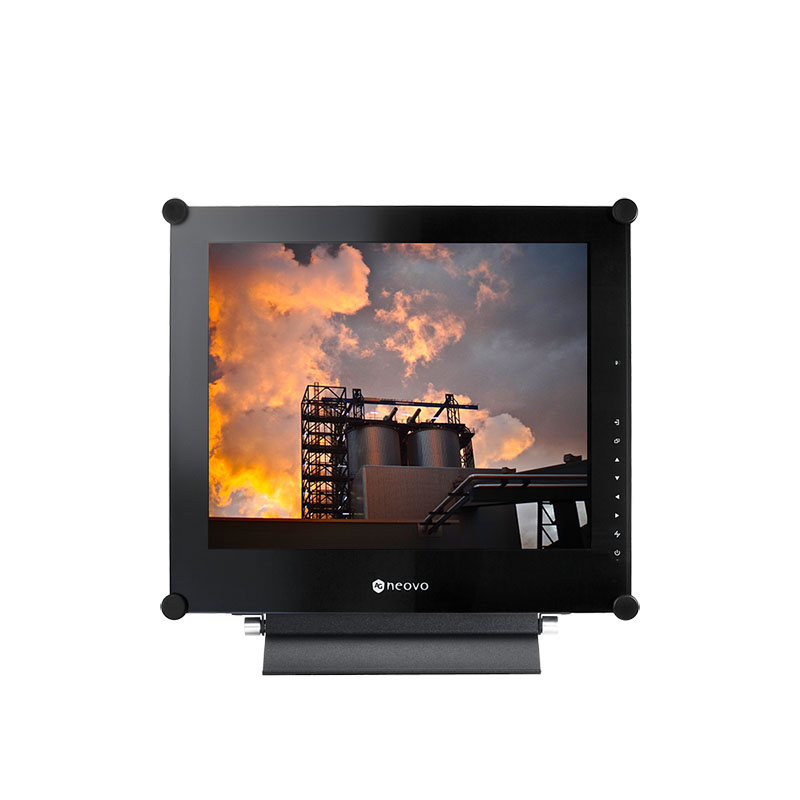

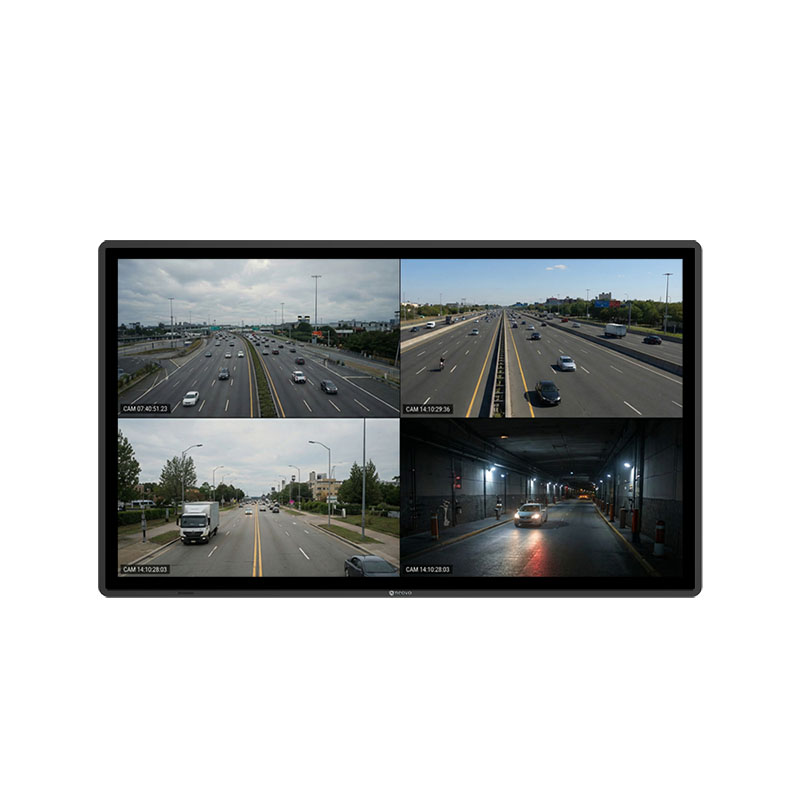


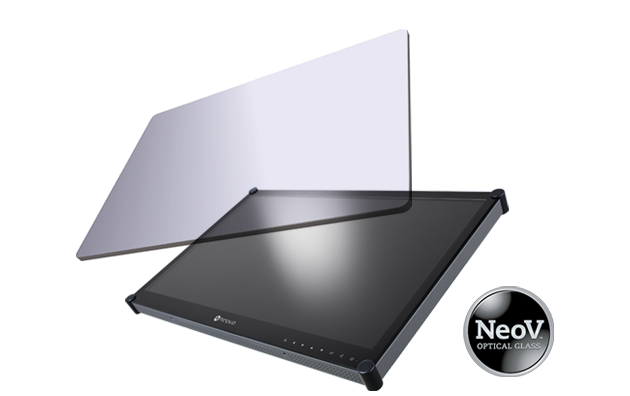 NeoV™ Optical Glass Screen
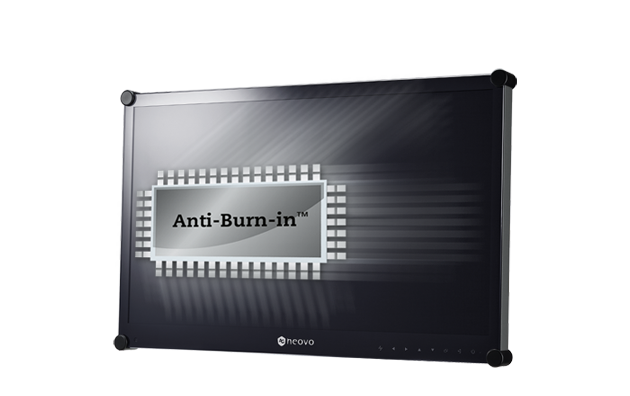 Anti-Burn-in™ Technology