

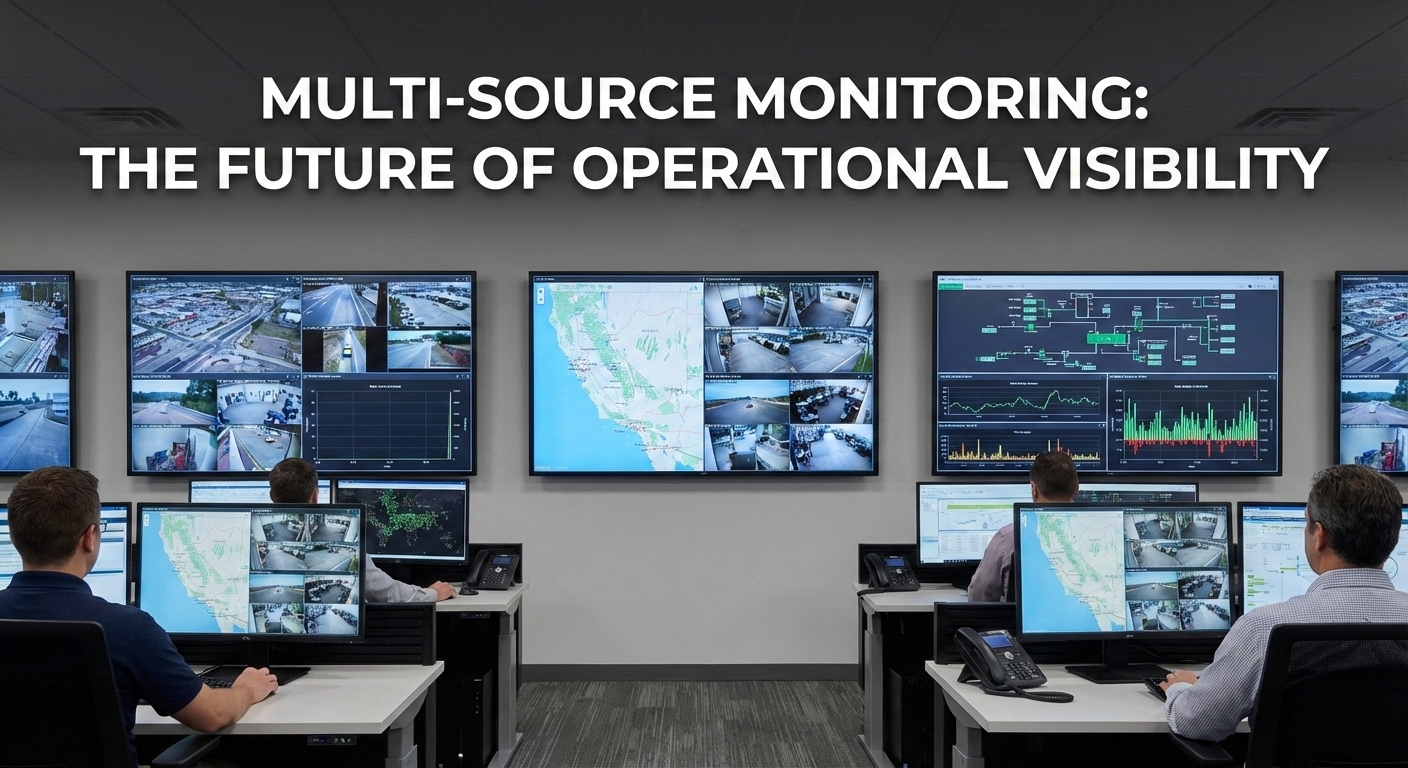
In the ever-changing landscape of critical infrastructure and professional monitoring, maintaining a clear operational overview has become increasingly complex. Modern environments no longer depend on a single data stream; instead, they require the simultaneous supervision of multiple independent systems—ranging from security video and control interfaces to real-time analytics and operational data.
In this context, multi-source monitoring has emerged not merely as a technical capability, but as a structured approach to managing fragmented information systems. It reflects a broader shift from traditional surveillance towards operational monitoring—where visibility is not just about observation, but about enabling timely and informed decisions in environments where data density continues to increase.
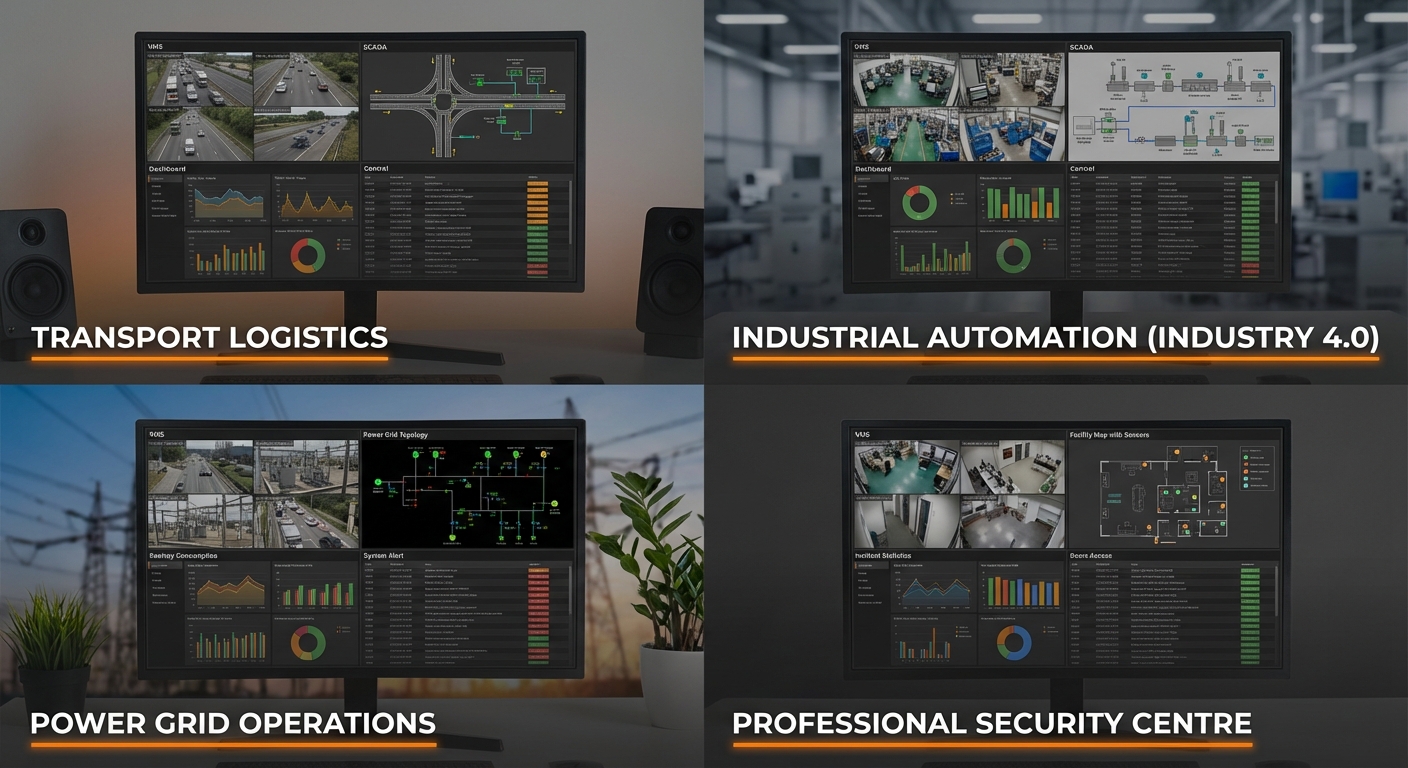
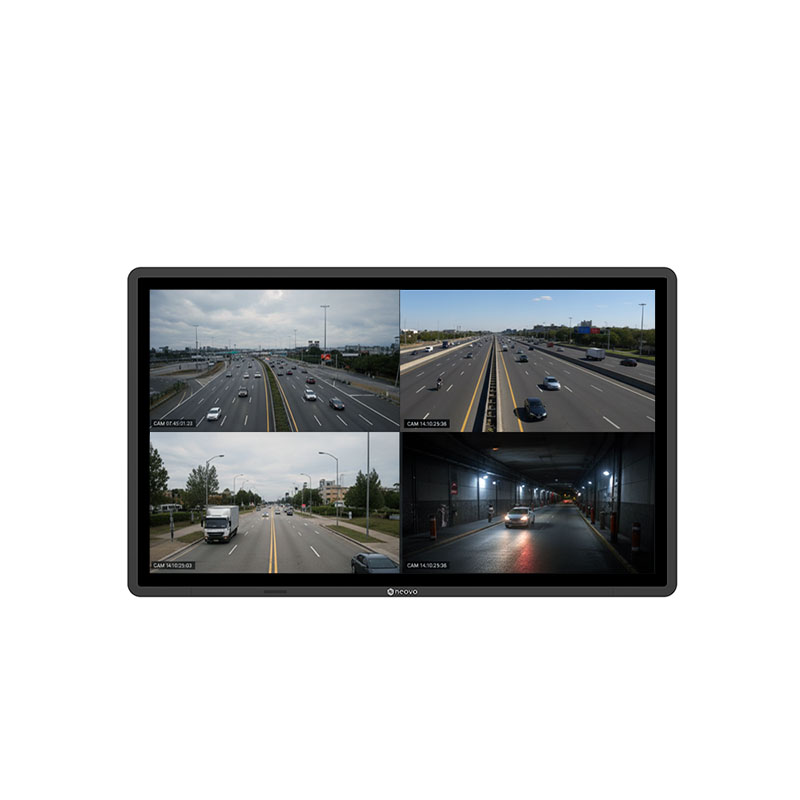
Multi-source monitoring refers to the simultaneous display and management of diverse input sources within a unified visual environment. In professional settings—such as traffic control centres, industrial operations, and high-security command environments—operators must oversee systems that often operate independently, including:
These systems are typically built for different purposes and may run on separate platforms or networks. By consolidating these inputs into a single interface—often described as a “single pane of glass”—multi-source monitoring enables operators to maintain situational awareness without relying on fragmented workflows or constantly switching between systems.
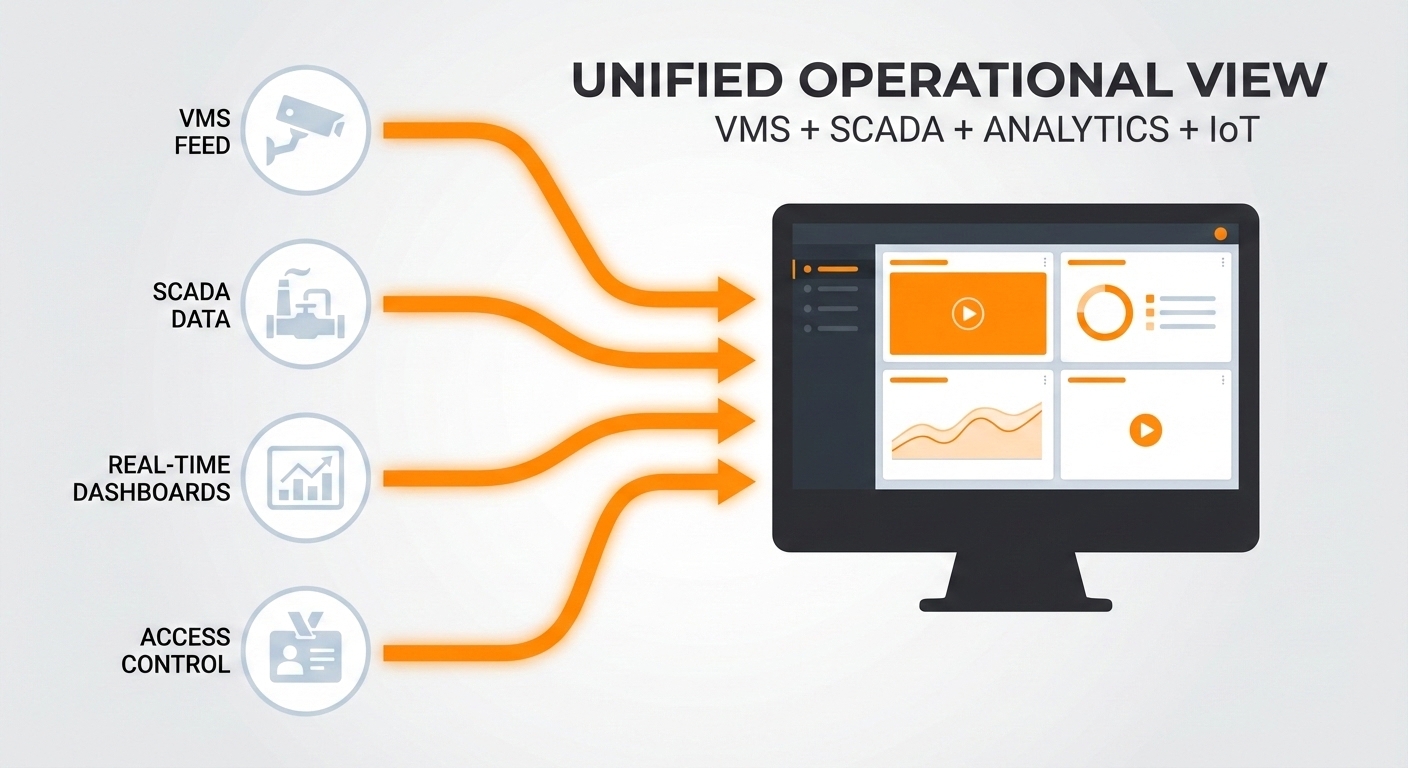
Traditionally, monitoring was synonymous with observation—watching a single feed to detect an event. Today, visibility is defined by correlation. Modern operational environments require the ability to interpret multiple data streams simultaneously and understand how they relate to one another.
This shift transforms monitoring from a reactive process into a proactive one—where operators can anticipate issues, identify patterns, and respond before disruptions escalate. This evolution is particularly evident as IT (Information Technology) and OT (Operational Technology) continue to converge, increasing both the volume and diversity of data that must be monitored in real time.
Operational monitoring is not merely a technical challenge; it is a human performance task. The effectiveness of a monitoring system is fundamentally limited by the operator’s cognitive capacity.
When an operator is forced to switch between different displays or manually toggle input sources, the brain undergoes a process known as “context switching.” Research in cognitive ergonomics indicates that frequent switching can lead to a significant drop in focus and an increase in error rates. In high-pressure environments, this delay in “re-focusing” can result in Change Blindness, where critical details in one system are missed while the operator is attending to another.
Multi-source monitoring addresses this by presenting data in a spatially consistent manner. By grouping related information within the primary field of vision, the brain can correlate data points through pattern recognition rather than sequential analysis. This reduces the mental effort required to maintain an operational overview, thereby extending the operator’s endurance and accuracy during long shifts.
As operational environments scale, the number of systems involved in daily monitoring has increased significantly. Typical drivers include:
Despite the need for integration, many environments still rely on fragmented architectures. These “siloed” systems create several risks:
For decision-makers and System Integrators (SIs), the move to integrated multi-source monitoring is as much a financial strategy as it is a technical one.
Traditional monitoring setups often suffer from Hardware Sprawl—an excess of external switchers, matrices, and splitters. Each additional device represents:
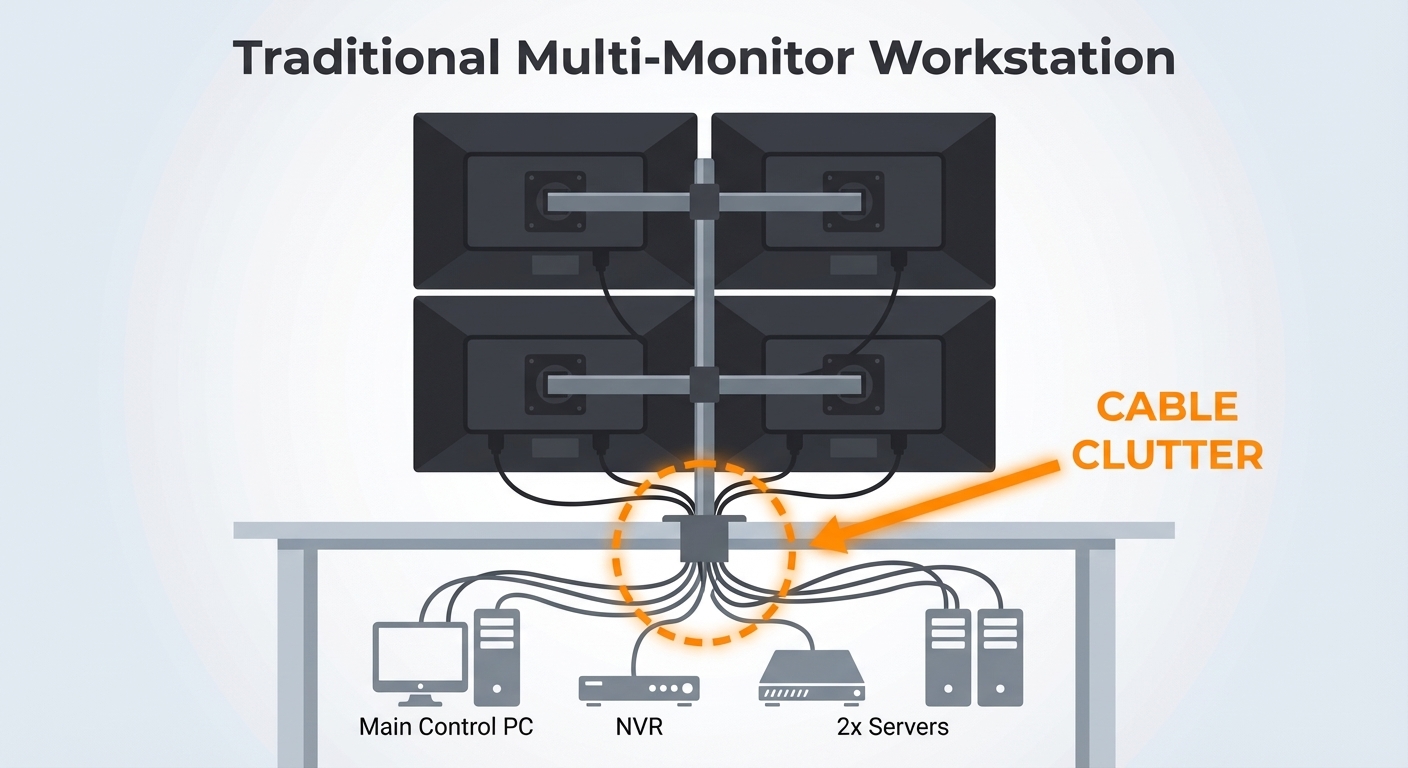
By utilising displays with integrated hardware-based windowing, organisations can significantly reduce their TCO. The initial investment in professional-grade displays is balanced by the removal of external processing hardware, fewer installation hours, and lower energy consumption throughout the system’s lifecycle.
A well-designed monitoring environment should support:
Situational awareness is defined not by the amount of data available, but by how effectively that data can be interpreted. Multi-source monitoring enhances this by:
As organisations seek to improve efficiency while reducing system complexity, monitoring strategies are evolving. Rather than relying on layered hardware architectures, there is a growing shift towards integrated approaches that simplify how multiple systems are viewed and managed.
This transition is driven by the demand for faster decision-making and the importance of long-term system reliability. Understanding how different monitoring architectures support these environments is a critical next step for organisations looking to modernise their operations.For monitoring environments that require direct connectivity and multi-source visibility, explore our 4 HDMI multi-input display solutions.



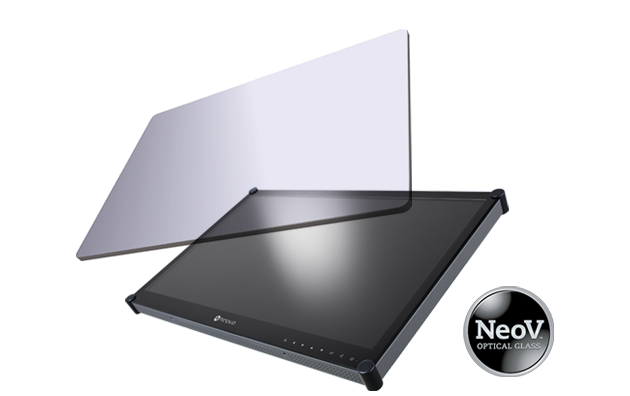 NeoV™ Optical Glass Screen
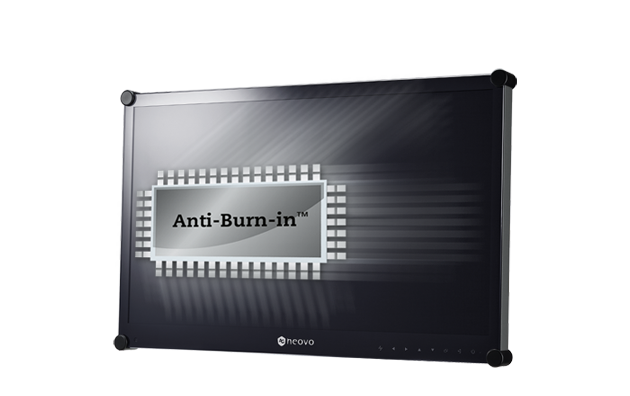 Anti-Burn-in™ Technology